How Advanced Diagnostic Tools Improve Patient Assessment and Care
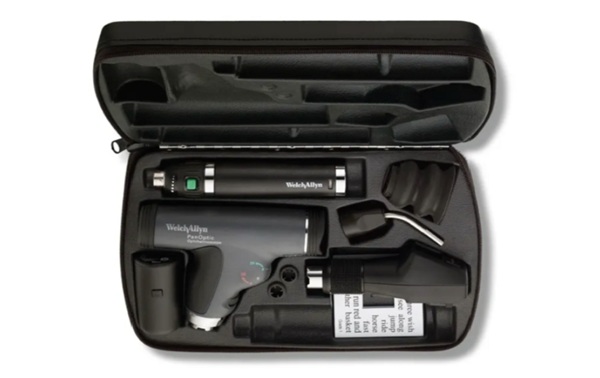
Accurate diagnosis is the foundation of effective medical treatment. Healthcare professionals rely on precise diagnostic tools to identify conditions early, monitor patient health and guide treatment decisions. Modern technology has significantly improved the quality and reliability of these tools, allowing clinicians to perform detailed examinations with greater confidence. Many healthcare providers seek trusted equipment such as Welch Allyn diagnostic sets Australia from BOC Instruments to ensure consistent and accurate assessments in both general practice and specialised medical settings.
Advanced diagnostic tools support faster decision-making, better patient communication and improved clinical outcomes. As medical technology evolves, these tools continue to play a critical role in enhancing patient care.
The Importance of Accurate Diagnosis
Diagnosis is often the first and most critical step in the healthcare process. When clinicians can accurately identify the underlying cause of symptoms, they can develop appropriate treatment plans that improve recovery outcomes. Advanced diagnostic equipment helps detect issues that may not be visible through observation alone. Tools such as otoscopes, ophthalmoscopes and integrated diagnostic sets enable clinicians to examine the ears, eyes, throat and other areas in detail. The ability to detect subtle abnormalities early can prevent conditions from progressing and requiring more complex treatments later.
Improving Early Detection of Medical Conditions
Early detection is one of the greatest advantages of modern diagnostic tools. Many conditions, including infections, vision problems and ear disorders, show early warning signs that can be identified during routine examinations. Advanced equipment provides clearer visualisation and enhanced lighting, allowing clinicians to detect abnormalities quickly. For example, high-quality ophthalmoscopes allow healthcare professionals to observe the retina and optic nerve, helping identify potential neurological or systemic conditions. Early diagnosis often leads to more effective and less invasive treatments.
Enhancing Examination Accuracy
Precision is essential in clinical examinations. Modern diagnostic tools are designed with improved optics, illumination and ergonomic features that support more accurate evaluations. Clearer visual fields and enhanced magnification enable clinicians to observe small details that might otherwise be missed. Improved diagnostic accuracy reduces the likelihood of misdiagnosis and ensures that treatment plans are based on reliable information.
Supporting Efficient Clinical Workflow
Healthcare environments are often fast-paced, requiring clinicians to examine multiple patients within limited timeframes. Portable diagnostic sets combine several examination tools into one organised system. This design allows practitioners to move quickly between assessments without searching for individual instruments. Efficient workflow benefits both clinicians and patients by reducing waiting times and improving the overall experience during medical visits.
Enhancing Patient Confidence
Patients often feel more reassured when healthcare providers use advanced diagnostic equipment. Modern tools demonstrate professionalism and commitment to high standards of care. When clinicians can clearly explain findings using visual aids or improved imaging, patients gain a better understanding of their health conditions. Clear communication strengthens trust between healthcare professionals and patients, leading to improved treatment adherence.
Supporting Preventative Healthcare
Preventative healthcare focuses on identifying potential issues before they develop into serious conditions. Routine examinations using reliable diagnostic tools allow clinicians to monitor changes over time. For example, regular ear or eye examinations can identify subtle changes that indicate developing problems. By detecting issues early, healthcare providers can recommend preventative measures that reduce the risk of long-term complications.
Improving Care Across Medical Specialties
Advanced diagnostic tools are valuable across a wide range of medical fields. General practitioners rely on diagnostic sets for routine health assessments. Paediatricians use them to monitor childhood development and detect infections early. ENT specialists depend on precise examination tools to diagnose ear, nose and throat conditions. Even emergency and urgent care settings benefit from portable diagnostic equipment that allows rapid assessment of patients. The versatility of modern tools ensures consistent care across different medical disciplines.
Promoting Better Training and Education
Diagnostic tools also play an important role in medical training. Students and new practitioners learn essential examination techniques using reliable equipment. Clear optics and ergonomic design make it easier for trainees to understand anatomical structures and identify abnormalities. High-quality instruments support the development of clinical skills that remain essential throughout a medical professional’s career.
Ensuring Durability and Reliability
Medical equipment must withstand frequent use in demanding clinical environments. High-quality diagnostic sets are designed for durability and long-term performance. Reliable instruments reduce the risk of equipment failure during examinations and maintain consistent accuracy. Healthcare providers often prioritise trusted manufacturers known for producing dependable diagnostic tools that support long-term clinical practice.
Keeping Pace with Medical Innovation
Medical technology continues to evolve, offering new ways to improve patient assessment. Advanced diagnostic tools often incorporate improved lighting systems, rechargeable power sources and enhanced ergonomic design. These innovations allow clinicians to work more efficiently while maintaining precision. As healthcare standards rise, modern diagnostic tools help practices remain competitive and capable of delivering high-quality care.
Conclusion
Advanced diagnostic tools play a vital role in improving patient assessment and overall healthcare outcomes. By enhancing visualisation, accuracy and efficiency, these instruments support clinicians in making informed decisions and delivering effective treatments.
From early detection and preventative care to patient education and clinical training, reliable diagnostic equipment strengthens every stage of the healthcare process. As medical technology continues to advance, high-quality tools remain essential for ensuring accurate examinations and maintaining the highest standards of patient care.